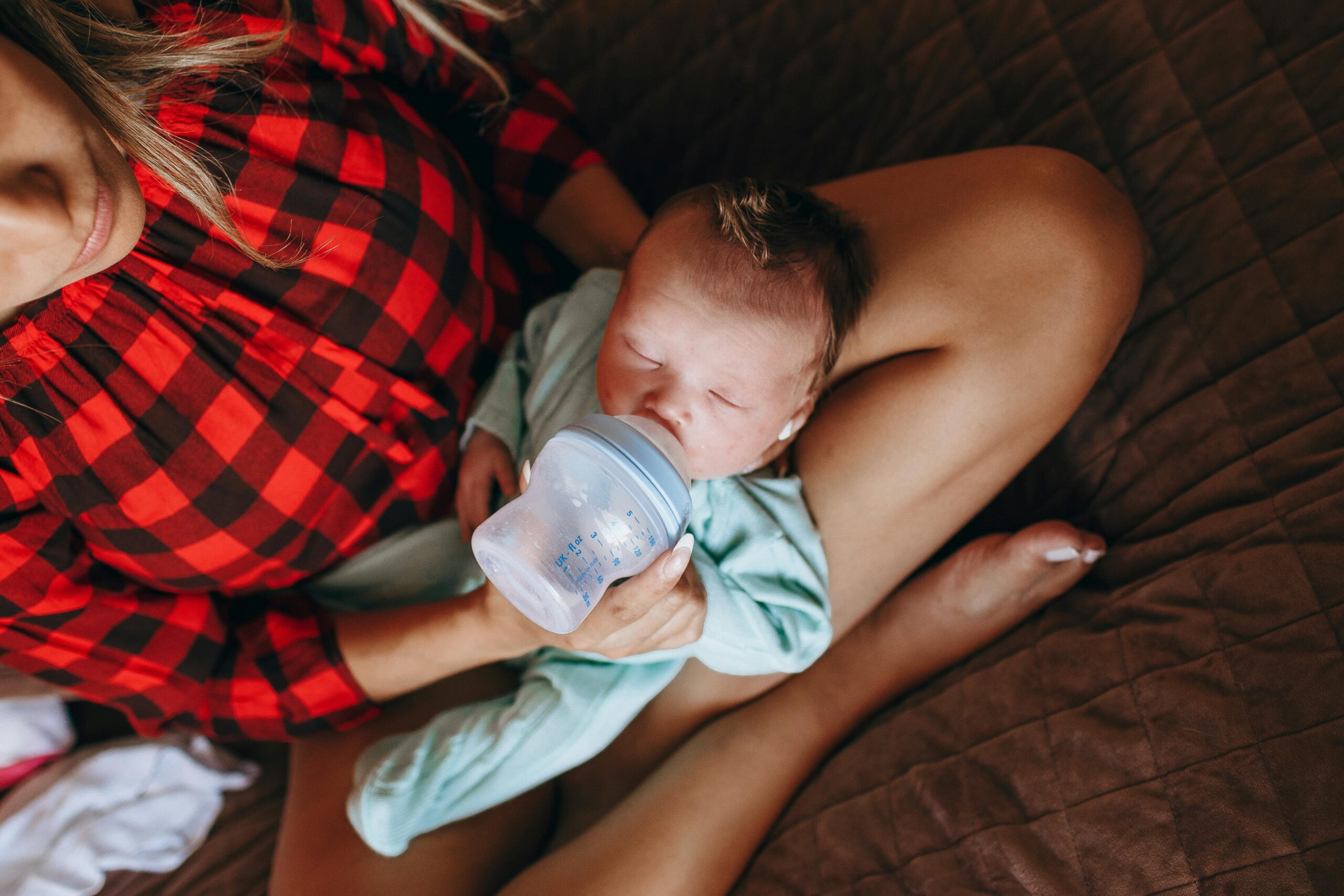
When I worked as a nurse, I was constantly running from patient to patient—adrenaline pumping, to-do lists never-ending, and decisions needing to be made fast. It was go-go-go. Now, as a mom of two, I still feel like I’m sprinting through my day, only this time it’s from baby to toddler and back again. But one thing hasn’t changed: the importance of knowing how to assess what really matters in a moment of stress.
Becoming a mom after years of nursing gave me a unique perspective on baby health. There are things I learned in the hospital that I still rely on every day. And there are other things I’ve learned to let go of—because real life with babies is different than textbooks or protocols.
Here’s what being a nurse taught me about baby care—plus what I’ve learned to ignore for my own sanity.
1. Baby Acne Isn’t Always Eczema (And You Don’t Always Need a Prescription)
Both of my babies had baby acne. I remember a pediatrician mentioning eczema and wanting to prescribe something. But I knew better.
Most newborns develop acne between 2 to 6 weeks of age due to lingering maternal hormones.
What to know:
It usually clears up on its own in a few weeks.
Keep baby’s face clean and dry.
Use gentle, non-toxic products like Hello Bello or Tubby Todd.
Don’t scrub or pick at it—that can cause irritation.
Sometimes doing less is better. It’s easy to over-treat something that just needs time and a little patience.

2. Fevers Aren’t Always Emergencies
When my first baby had his first fever, my nurse brain started racing—was it an infection? Should we head to urgent care?
But here’s what I remembered: a fever is the body’s way of fighting off illness.
What I do as a mom (and nurse):
Watch behavior more than numbers. If your baby is eating, sleeping, and acting relatively normal, that matters more than the number on the thermometer.
I monitor their hydration, wet diapers, and alertness.
If a fever is under 101 and baby is older than 3 months, I usually wait it out unless other symptoms appear.
Of course, trust your gut. But don’t panic every time your baby is warm. Most illnesses last 24–48 hours and resolve with rest and hydration.
3. Breastfeeding Is an Immune System Superpower
With both of my babies, I breastfed. And I noticed something amazing: my first didn’t get sick until after he turned one. Not even a cold.
As a nurse, I already knew breastmilk contained antibodies, but experiencing it firsthand was eye-opening.
Tips to maximize the benefits:
Nurse frequently during sickness (yours or theirs)
If you’re sick, it’s even more important to keep breastfeeding—your baby gets your antibodies in real time
Stay hydrated and nourished so your milk supply stays strong
You don’t need to be perfect. You just need to be consistent.
4. Vitamin D Isn’t Optional
Especially if you’re breastfeeding and live somewhere hot (like I do), you might not get outside every day. That’s why vitamin D supplementation is non-negotiable in our house.
What works for me:
I put vitamin D drops directly on my nipple before nursing
Look for a clean, sugar-free formula like Baby Ddrops
It helps with bone health, immune support, and even regulates baby’s sleep. I noticed improved nighttime sleep once I got consistent with this.
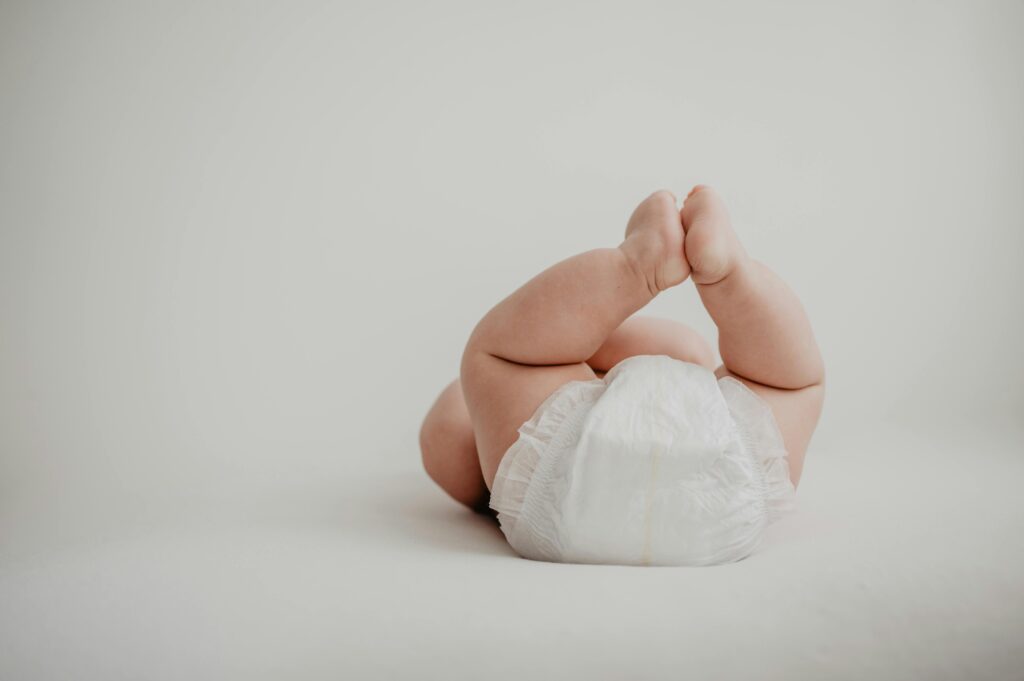
5. Gassy Babies Are Normal (Even When It Feels Like Too Much)
I remember being so worried when my babies were really gassy—especially my second. He seemed to have so much more gas than my first, and I couldn’t figure out why.
But here’s the truth: baby digestive systems are immature, and their gut microbiome takes time to develop.
What I’ve learned as a nurse and mom:
Some babies are just gassier than others, and that’s okay.
If you’re worried, always talk to your pediatrician—but most of the time, it’s normal.
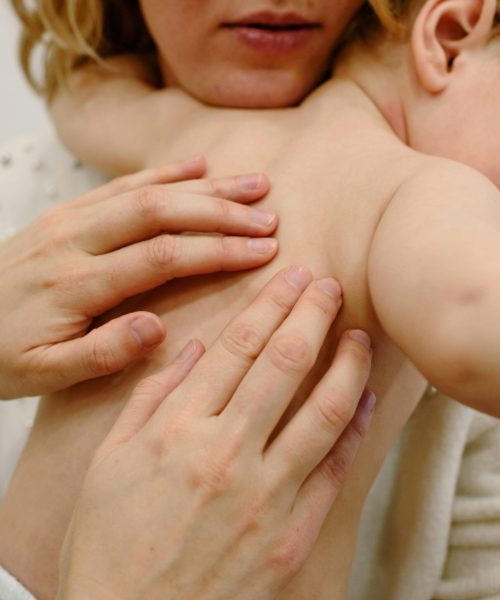
The best things you can do: burp them often, move their legs in a bicycle motion, offer tummy time, and try gentle massage.
These simple movements can help relieve tension and make a big difference in baby’s comfort.
👉 I dive into even more practical tips like these inside The Postpartum Playbook: What No One Tells You (But Every New Mom Needs). It’s a nurse-approved guide to navigating the chaos of new motherhood with confidence. From baby routines to boundary-setting, it’s a must-read for moms who want to feel prepared instead of overwhelmed.
6. A Baby Falling Off the Bed Isn’t the End of the World
I’m almost embarrassed to write this—but I’m going to say it because I know I’m not alone.
Yes, my baby rolled off the bed.
Yes, I thought I was the worst mom alive.
Yes, he was 100% fine.
If it hasn’t happened to you yet, it might. And when it does, you will feel panic, shame, and fear. But remember:
Babies are surprisingly resilient
Check for any obvious injury (pupil changes, vomiting, limping, etc.)
If something seems off, get them checked
Most of the time? They’ll cry, you’ll cry, and then you’ll both move on. You’re not a bad mom. You’re human.
7. Dirt Builds Immunity
First baby? I wiped every toy, pacifier, bottle, and hand obsessively.
Church nursery? Full scrub-down.
Grocery cart? Basically a biohazard.
Second baby? I try to keep things clean, but I don’t lose my mind over every speck of dirt.
The truth? Germ exposure helps build immunity. Unless we’re somewhere really grimy, I try not to over-sanitize everything.
I still:
Clean bottles and pump parts after every use
Sanitize with boiling water weekly
Use plant-based sanitizing sprays for surfaces
But if a toy hits the floor and I don’t have a wipe on hand? It’s not the end of the world.
8. You Can’t Do It All (But You Can Prioritize)
One of the best skills I brought from nursing into motherhood is triaging. In the hospital, we prioritize care based on urgency. I do the same as a mom:
Baby needs a diaper? That’s now.
Toddler wants a snack? That can wait 2 minutes.
Dishes? Eventually.
I use my nursing instincts to multitask and manage time efficiently, but I also give myself grace.
There are days when the house is messy, I’m behind on laundry, and both kids are crying. I remind myself: everyone is fed, safe, and loved. That’s enough.
9. Baby Health Isn’t Always a Science
Sure, there are textbook guidelines. But real life with babies is often messy, unpredictable, and inconsistent.
What works one day might not work the next. Trust your intuition. You know your baby better than anyone else. Don’t let outside pressure or even well-meaning professionals make you question yourself without reason.
10. The Products I Actually Use for Baby Health
Nurses are known for being practical, and I’m no different. Here are the non-toxic, effective, minimal products I actually use for baby wellness:
NoseFrida for clearing congestion (gross but effective)
Frida Humidifier for dry air and stuffy nights
Tubby Todd All Over Ointment for skin flare-ups
Zarbee’s Cold (baby-safe, no menthol)
Vitamin D drops (sugar-free)
Plant-based sanitizing spray for toys and surfaces
Earth Mama Baby Wash
You don’t need a full medicine cabinet. You need a few go-to tools and the confidence to know when to use them.
Final Thoughts: Trust Yourself, Mama
Nursing taught me how to handle emergencies, prioritize care, and stay calm under pressure.
Motherhood taught me something even more valuable: how to trust my gut.
Whether you’re a first-time mom or juggling two under two like me, remember this: you know your baby best.
Take the knowledge, take the support, but don’t let fear or doubt creep in when you already have the answer inside you.
You’re doing better than you think. You are the best mom for your baby—nurse or not.