Get my Postpartum Playbook
Having two kids has given me a new perspective on the postpartum period. The first time around, I was clueless, thinking I could just “bounce back” and handle everything on my own. The second time, I approached it differently, and it made a world of difference. Today, I want to share what not to do postpartum, along with some practical tips that can help new moms navigate recovery, care for their baby, and survive the fourth trimester without unnecessary pain or stress.
Don’t Eat the Wrong Foods Immediately After Birth
After giving birth, your body is in recovery mode. The last thing you want is to make your digestive system work harder than it needs to. One of my biggest mistakes the first time around was eating pizza right after giving birth. Sure, it was comforting and full of carbs, but it had no fiber, which made my first postpartum bowel movement excruciating—especially with tearing and hemorrhoids.
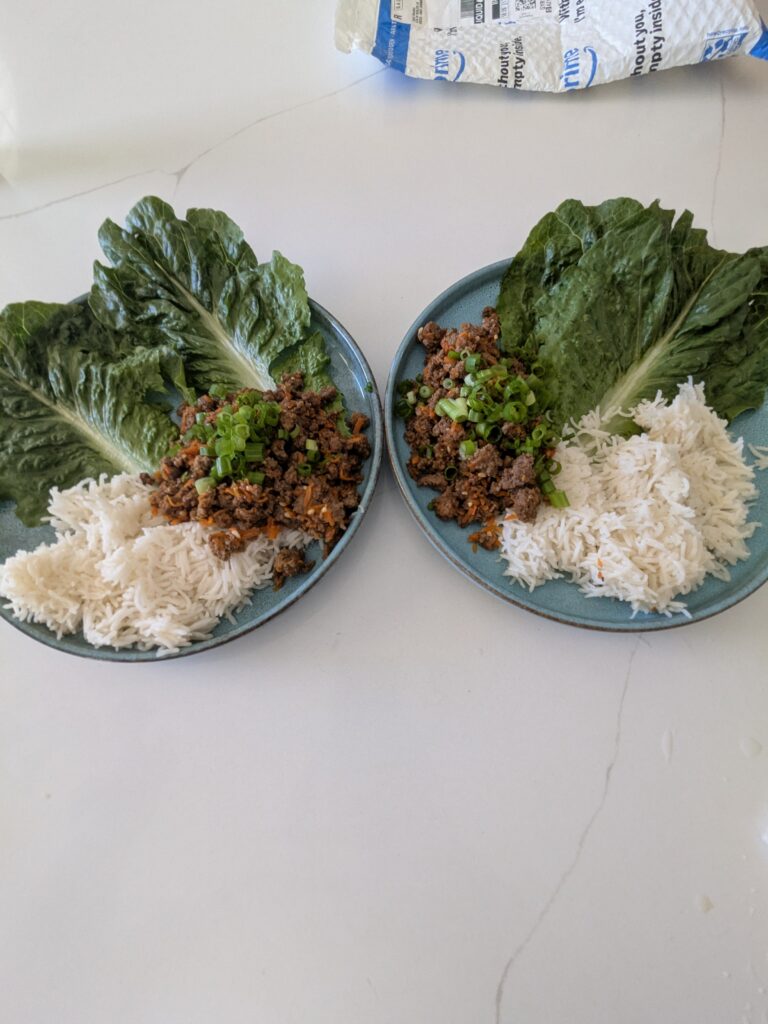
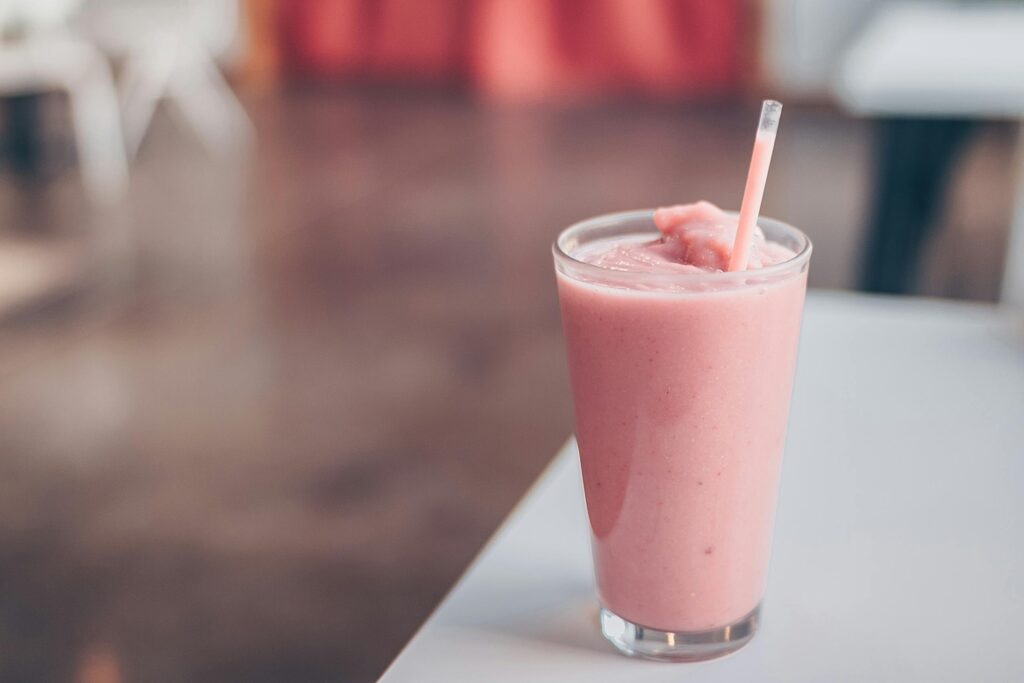
The second time, I had my mother-in-law bring me a smoothie and a salad. It may not have been pizza, but it was hydrating, nutrient-dense, and easy on my digestion, which allowed things to move along naturally.
Takeaway: Focus on foods high in fiber, hydration, and balanced nutrition in the immediate postpartum period. Avoid heavy, greasy meals that can backfire when your body is already stressed.
Don’t Stay in Bed All the Time
It might feel natural to stay in bed with your baby, and bonding is essential, but complete inactivity can slow recovery. Getting up and moving—even gently—promotes blood flow, reduces swelling, and helps your muscles, uterus, and abdominal wall return to their pre-pregnancy state.
Even a short walk around the house or gentle stretching can make a difference. The key is moderation, especially in the first few weeks. Overdoing it can exacerbate bleeding, soreness, and fatigue.
Takeaway: Aim for light activity multiple times a day. It supports postpartum recovery and helps prevent complications like blood clots or slowed digestion.
Prepping for Birth?—I put together a Hospital Bag Checklist with all the stuff I actually used and loved. Grab it before baby arrives so you’re not scrambling like I was!
Don’t Rush Your Weight Loss
I know the pressure to “bounce back” is real. Social media and society make it feel like moms should lose all the baby weight immediately. The truth? Your body has a hormonal reason to hold onto fat postpartum—especially if you’re breastfeeding. Your body needs reserves to produce milk and maintain energy.
After my first, it took about a year before I felt comfortable in my own skin again. After my second, it took about six months of balanced nutrition, consistent gentle movement, and patience. Rapid, restrictive diets or extreme exercise can backfire, impacting milk supply and energy levels.
Takeaway: Embrace the postpartum transformation timeline. Focus on nourishing your body, rather than punishing it. Consistency wins over quick fixes.
Don’t Exercise Too Soon or Too Aggressively
This ties directly into the previous point. It’s tempting to want to prove you can do it all, but starting high-intensity workouts too early can cause setbacks. After my second, I went on a long Costco trip just a few weeks postpartum to “help” my husband, thinking I could handle it. By the end, I was sore, bleeding more, and regretting overexertion.
Your muscles, ligaments, and pelvic floor are recovering. Overdoing it can worsen bleeding, slow healing, and prolong discomfort.
Takeaway: Begin with gentle walks, stretching, or postpartum-approved exercises. Consult your provider before progressing, especially if you experienced tearing, C-section, or complications.

Don’t Ignore Mental Health or Persistent Thoughts
No one warned me that postpartum emotional shifts could be overwhelming. Hormonal changes, sleep deprivation, and the intensity of caring for a newborn can trigger unwanted thoughts or even postpartum depression.
The first time, I experienced persistent, worrying thoughts and didn’t tell anyone, thinking it was just me. Eventually, I mentioned it to my husband and my son’s pediatrician, which helped immensely. Sharing concerns with a trusted person—partner, friend, or healthcare provider—can prevent feelings of isolation or guilt.
Takeaway: Postpartum emotional support is vital. If you notice persistent sadness, anxiety, or troubling thoughts, speak up. This is not a sign of weakness—it’s a normal part of recovery for many moms.
Don’t Hesitate to Accept Help
This one is huge. Many of us struggle with accepting help, thinking we need to manage everything on our own. But postpartum is not the time to prove you’re a supermom.
Accept help from friends or family—but also set boundaries. Not all visitors are helpful; some may add stress. Focus on people who bring practical support, like helping with meals, laundry, or watching the baby while you nap.
Takeaway: Say yes to support when it’s offered. Your recovery, bonding time, and mental health will benefit immensely.
Don’t Try to Control Your Baby’s Schedule Too Early
The first few weeks are all about baby-led rhythms, not your ideal routine. I made the mistake of waking my newborn to avoid long naps, thinking it would help him sleep at night. Spoiler: it didn’t.
Newborns have unpredictable schedules and need to feed on demand. Trying to enforce strict routines too early can lead to unnecessary stress and exhaustion. Instead, focus on responding to your baby’s needs and gradually building small patterns as they grow.
Takeaway: Embrace the chaos. Sleep and feed your baby on demand during the first weeks. Postpartum prep should focus on flexibility, not rigid schedules.

8. Don’t Skip the Basics of Postpartum Recovery
Some of the most overlooked postpartum tips are simple but essential:
- Hydration: Drinking enough water supports milk supply and healing.
- Balanced nutrition: Include protein, fiber, fruits, and vegetables.
- Perineal care: Use sitz baths, peri bottles, or ice packs as recommended.
- Pelvic floor exercises: Gentle Kegels can help restore strength.
- Tracking bleeding and bowel movements: Monitor your body to notice anything unusual.
Ignoring these basics can prolong discomfort and delay your postpartum transformation.
9. Don’t Underestimate the Importance of Postpartum Prep
Preparation during pregnancy sets you up for a smoother postpartum period. Having a postpartum checklist, stocked freezer meals, and a support system in place can reduce stress and allow you to focus on recovery and bonding with your baby.
Think about:
- Easy meals and snacks
- Clean diapers, wipes, and baby essentials
- Comfortable postpartum clothing
- Help from partners, family, or friends
A little prep goes a long way.
10. Additional Lessons I Learned
- Postpartum constipation: Fiber, hydration, and gentle movement are key. Don’t ignore signs of constipation—it can worsen pain if you’ve had tearing or hemorrhoids.
- Postpartum fatigue: Sleep/rest when the baby sleeps, even if it means skipping chores. Your energy is crucial.
- Postpartum tips for husband/partner: Communicate clearly about what help you need, from meals to baby care. Partners often want to help—they just need guidance.
- Postpartum assessment: Check in with yourself physically and emotionally. Healing isn’t linear.
Final Thoughts
The postpartum period is a whirlwind. There’s no perfect formula, and every mom’s experience is different. But by avoiding common pitfalls—like poor nutrition, overexertion, ignoring emotional health, and refusing help—you can make recovery smoother, protect your mental health, and focus on bonding with your baby.
Remember: Postpartum recovery is a journey. Be kind to yourself, trust your instincts, and accept support. Your body, mind, and baby will thank you.