Bringing a baby into the world is miraculous—but postpartum recovery? That’s the part no one really talks about until you’re right in the thick of it, bleeding, leaking, waddling, and wondering, “Is this normal?” As a nurse and a mom of two under two, I thought I was prepared. But let me tell you: nothing humbles you quite like that first postpartum poop.
So, in the spirit of honesty and support, here are the postpartum questions I was too embarrassed to ask the first time around—answered with real talk, nurse-backed facts, and the truth I wish every mom knew.
Is It Normal to Feel Like a Hormonal Mess?
Yes. And you’re not alone.
After delivery, your hormones drop sharply, which can cause mood swings, weepiness, and emotional highs and lows. I had moments where I felt overwhelmingly grateful… and five minutes later, I was crying because my toddler spilled water.
These ups and downs are normal in the early weeks, but if you’re feeling constantly sad, hopeless, angry, or having intrusive thoughts, it could be postpartum depression or postpartum anxiety. Please don’t push those feelings aside—talk to your provider. Postpartum mental health issues are incredibly common and treatable.
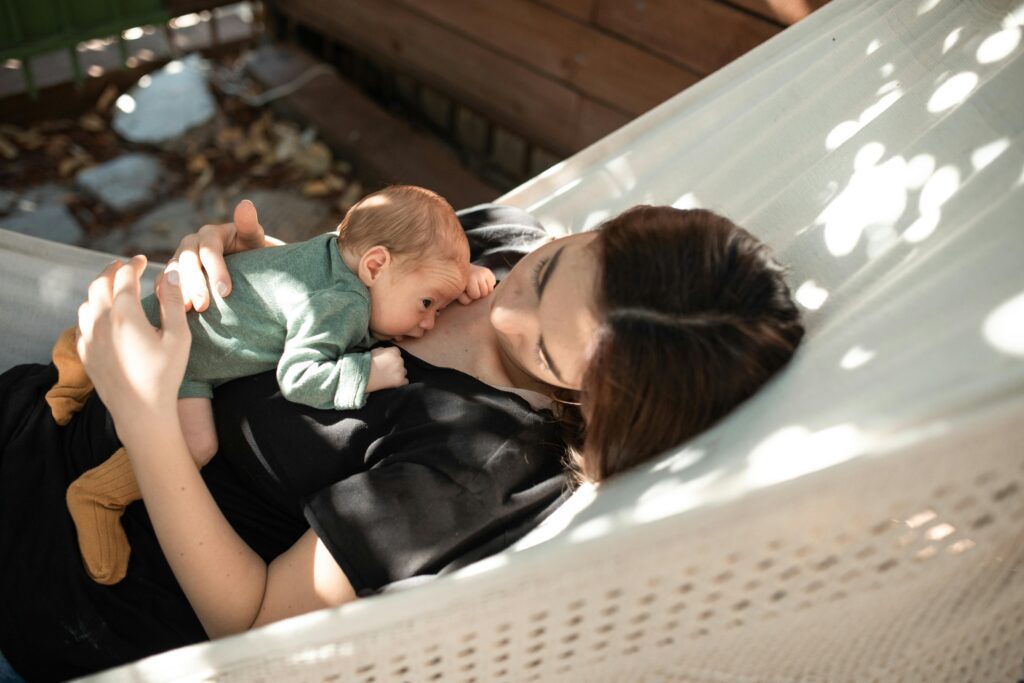
Why Didn’t Anyone Warn Me How Bad It Hurts Down There?
Whether you tear or not, your perineum has been through a lot. I had a second-degree tear, and I was honestly shocked by how much it hurt to sit or walk. I waddled like a duck for weeks. No one told me it would be that uncomfortable just to get around the house.
Every step, every diaper change for my newborn felt like a challenge. Ice packs, witch hazel pads, and taking time to rest made a huge difference. Don’t feel guilty for doing less—your body just did a lot.
How Do I Poop After Birth Without Crying?
Here’s the truth: having a bowel movement postpartum can feel terrifying, especially if you tore or have hemorrhoids. The first time around, I made a huge mistake—I ate pizza and muffins after delivery. No fiber. Nothing helpful. The result? A miserable bathroom experience.
This time, I came prepared. I had:
-
Kiwis (lots of fiber)
-
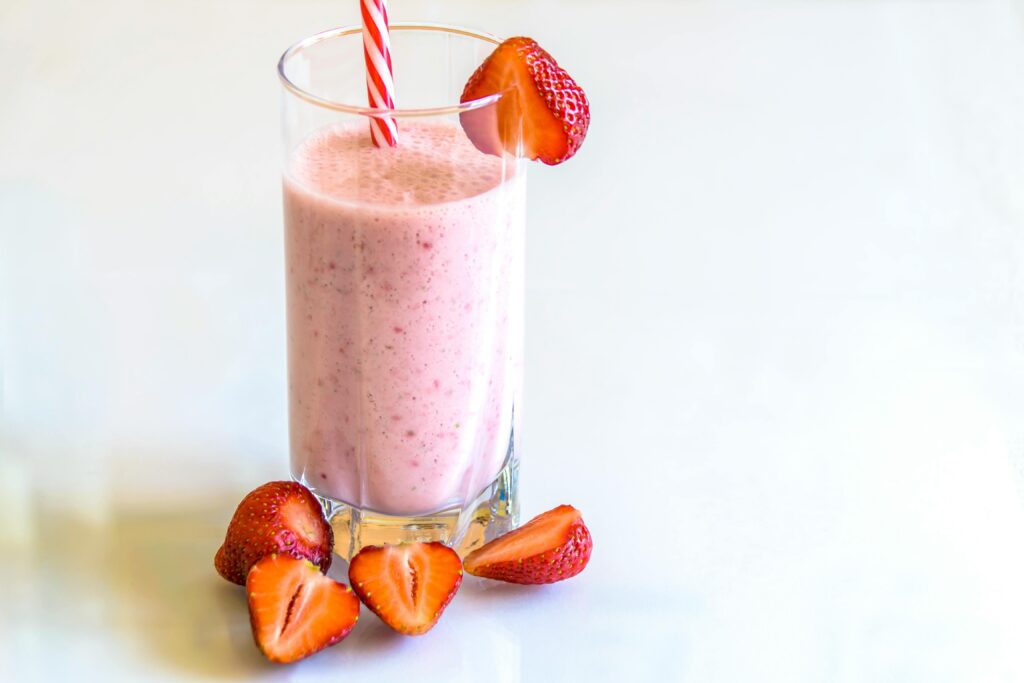
Frozen fruit for smoothies
-
Chia seeds
-
Oatmeal muffins
-
High-fiber meals and snacks
It made a huge difference. Don’t rush. Breathe. Take a stool softener. And please—don’t push. You just delivered a baby. Be gentle with yourself.
What About Hemorrhoids?
Yep. I had those too. Sitting was uncomfortable, and that plus the tear made moving around incredibly difficult.
Tucks pads, witch hazel, sitz baths, and resting helped. So did eating fiber and staying hydrated. Hemorrhoids are common and manageable, but that doesn’t mean you have to suffer in silence. Talk to your provider if they’re not improving.
Why Am I Still Bleeding Weeks Later?
I bled for six weeks after both deliveries. It wasn’t heavy the whole time, but it lingered—and no one told me how long that was actually normal.
What’s happening is your body is shedding the lining of your uterus and healing. You’ll notice the color of the bleeding change over time—from bright red to brown to yellowish. If the bleeding suddenly becomes heavy again or you pass large clots, check in with your provider.
Am I Supposed to Be Cleared for Sex at Six Weeks?
Technically, yes—but emotionally and physically? Maybe not.
I was not ready at six weeks postpartum. The first time, it took me months to feel healed enough. This time, it’s been about the same. Just because the check-up says “you’re cleared” doesn’t mean your body or mind feels ready.
If you’re still in pain, or if the idea of sex feels overwhelming, that’s a sign to go slowly and consider seeing a pelvic floor physical therapist. I saw one after my first baby, and it helped tremendously. They can help with:
Pain during intercourse
Healing scar tissue
Rebuilding pelvic floor strength
Recommending tools like dilators, if needed
Sex postpartum should not be painful. If it is, you deserve support.
Will My Abs Ever Work Again?
After delivery, I noticed how weak and sore my core felt. Even sitting up in bed was tough. This time, I wore a belly band after birth, and it helped me feel supported as I healed.
At seven weeks postpartum, I’m back to light workouts and moving my body without pain—but it took time. Diastasis recti (ab separation) is common, and healing your core safely matters. Again, a pelvic floor specialist can help here, too
What Happens to My Boobs?
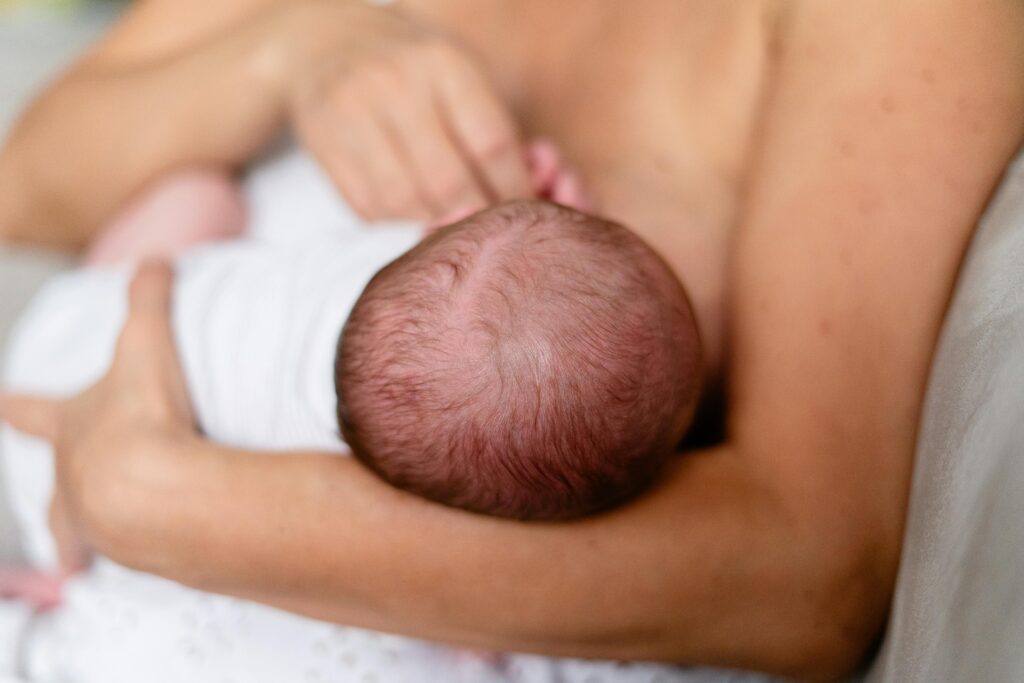
They grow, shrink, leak, and hurt—especially those first few weeks. As your milk supply regulates, you’ll notice them changing constantly.
I wore a soft bra to bed for at least four weeks because the pressure and pain were too much without support. If you’re breastfeeding, your body is learning how much milk your baby needs, which means a lot of fullness and discomfort until things even out. It will get better. Warm showers and gentle massage can help.
What Do I Even Wear Postpartum?
Forget the Pinterest-perfect outfits. In real life, I was living in:
One size too big night gowns
Nursing tops
Mesh Underwear
Nursing-friendly bras
Comfort was everything. I prioritized softness, stretch, and easy access for nursing. My go-to postpartum outfits made me feel a little more human without putting pressure on myself to “look good.”
Is It Normal to Feel… Not Okay?
Yes. One thousand times yes.
No one warned me how intense the emotional side of postpartum can be. There were moments when I didn’t feel like myself. I had unwanted thoughts, moments of anxiety, and feelings of sadness that I brushed off the first time around. I wish I hadn’t.
Postpartum depression and anxiety are incredibly common. So are intrusive thoughts. What matters is recognizing them and getting help. You don’t have to do this alone. Talk to your provider, reach out to a friend, and don’t be afraid to ask for support.
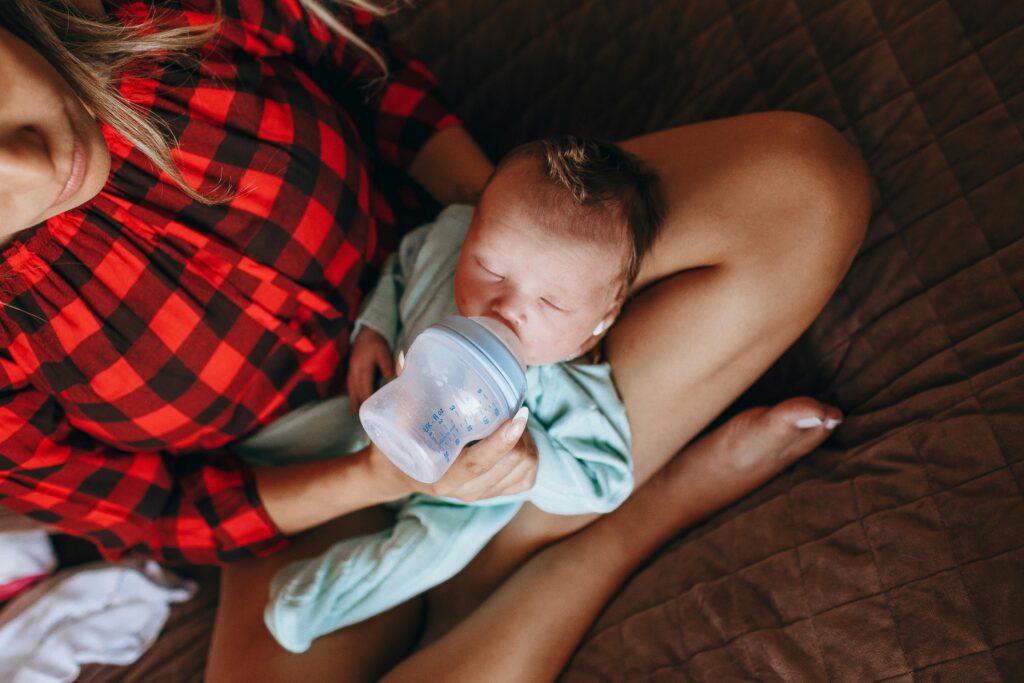
Final Thoughts: Give Yourself Grace
Postpartum recovery is hard. It’s emotional. It’s physical. It’s messy and beautiful and exhausting. But you’re not weak for needing rest. You’re not selfish for struggling. You’re not failing for feeling overwhelmed.
You’re a mom. And you just did something powerful.
If no one else has told you: You’re doing an amazing job.
Want more support? Download my postpartum essential playbook and get tips on healing, routines, and what I actually used with a newborn and toddler.
You might also like: