If you’ve ever wondered, “Does peanut butter have protein?”, you’re not alone. I used to think that eating a couple tablespoons of peanut butter meant I was getting a good amount of protein.
The truth is, peanut butter does have protein, but probably not as much as you think. While peanut butter is a nutritious food, it’s better thought of as a healthy fat source with some protein, not one of the best high protein foods.
Learning the difference completely changed how I build my meals. Instead of wondering why I was hungry an hour after breakfast, I started pairing foods together to create high protein meals that actually kept me full.
As a busy mom with two little kids, that has made all the difference.
Does Peanut Butter Have Protein?
Yes! Peanut butter contains protein, but it isn’t considered one of the best protein-rich foods.
Two tablespoons of peanut butter provide about:
- 7–8 grams of protein
- 16 grams of fat
Compare that to foods that are truly high in protein:
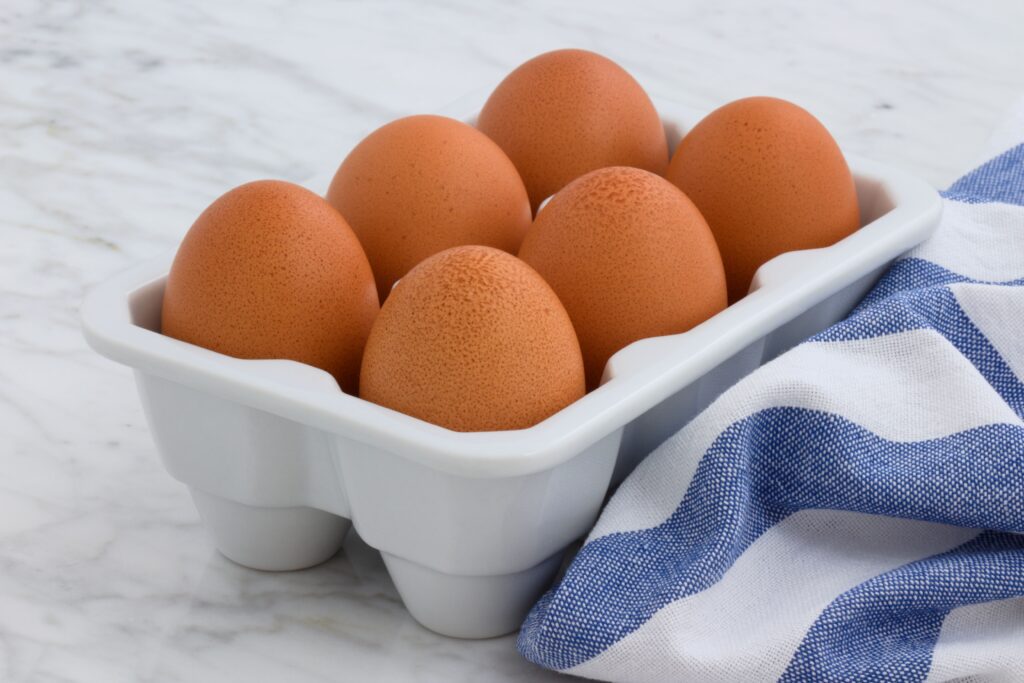
- 2 eggs: about 12 grams
- 1 cup plain Greek yogurt: about 20 grams
- 1 cup cottage cheese: about 25 grams
- 4 ounces chicken breast: about 30 grams
- 4 ounces lean ground turkey: about 25 grams
So while peanut butter absolutely has a place in a healthy diet, it works best when you think of it as a healthy fat that pairs well with high protein foods.
Why High Protein Foods Keep You Full Longer
One of the biggest reasons I started eating more protein wasn’t because I was trying to lose weight—it was because I was tired of always feeling hungry.
I’d eat toast with peanut butter or a bowl of granola and think I had eaten a healthy breakfast. Then an hour later I’d already be looking for another snack.
When you’re chasing toddlers, running errands, or working from home, constantly feeling hungry isn’t very practical.
Eating enough high protein foods helps create meals that are more satisfying and can help you stay full longer than meals made mostly of carbohydrates.
Protein also provides the building blocks your body needs to maintain muscle. Combined with strength training, eating enough protein supports muscle growth and maintenance. Muscle tissue also uses more energy than fat tissue, which is one reason maintaining muscle is beneficial for overall metabolism.
During the postpartum season, protein is also an important nutrient for your body’s recovery. If you’re breastfeeding, your body also needs adequate nutrition—including enough protein—to support milk production. While postpartum hair shedding is mostly caused by hormonal changes, eating enough protein as part of a balanced diet supports healthy hair as it grows back.
For me, eating enough protein simply helps me feel more energized and prepared for busy days with my family.
Foods You Think Are High in Protein (But Aren’t)
Some foods have a healthy reputation, but they aren’t necessarily high protein foods.
1. Peanut Butter
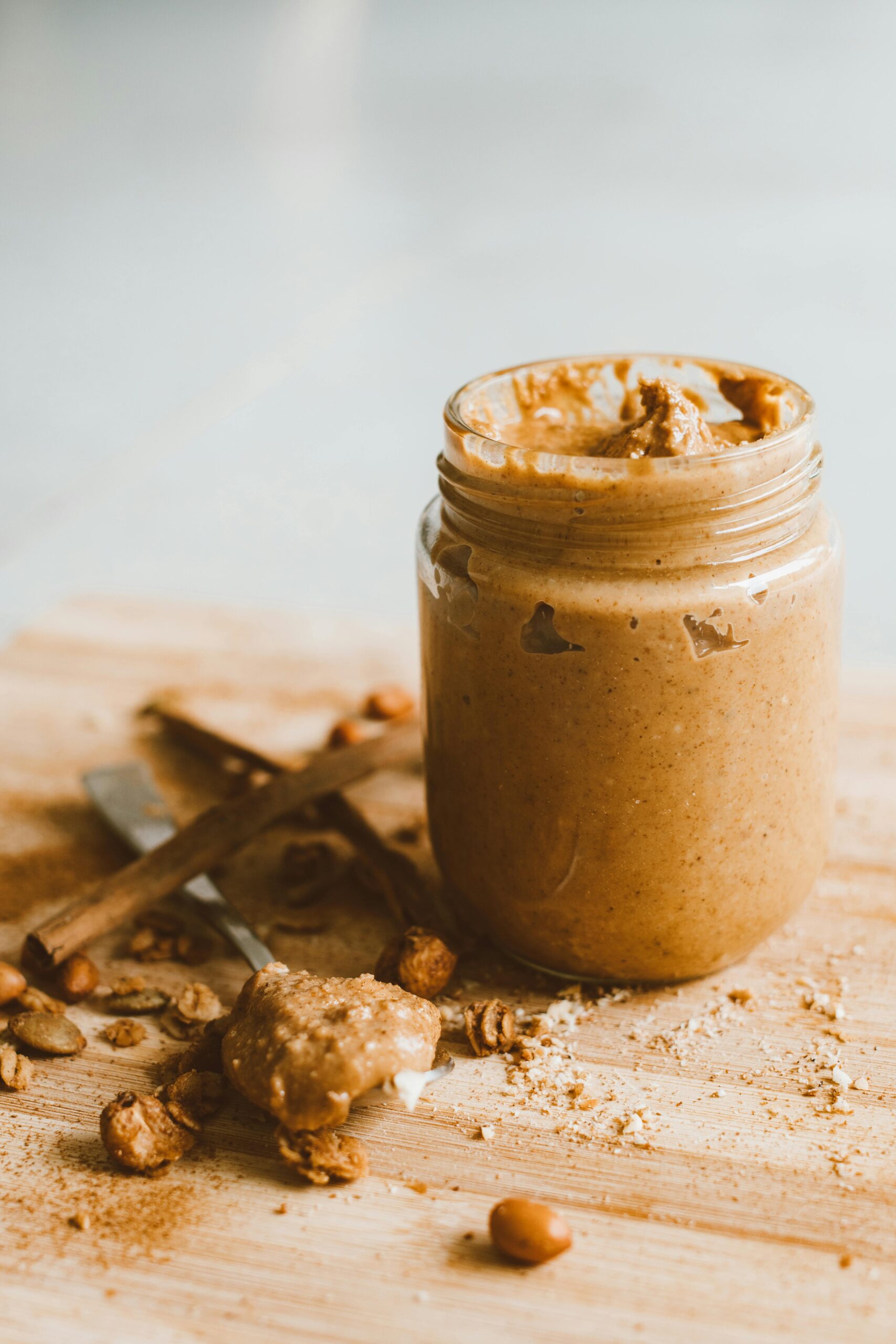
As we’ve already covered, peanut butter contains protein, but it’s primarily a healthy fat source.
Instead of eating peanut butter by itself, try pairing it with:
- Plain Greek yogurt
- Cottage cheese
- High-protein homemade bread
- A smoothie made with Greek yogurt and milk
2. Granola
Granola often sounds like a high protein breakfast, but most traditional granolas are made mostly from oats, sweeteners, and oils.
Some specialty granolas include added protein powder, nuts, or seeds, but many don’t contain enough protein to keep you full for long.
Instead, sprinkle granola over Greek yogurt instead of eating it alone.
3. Oat Milk
The word “milk” can make oat milk sound like a protein-rich beverage.
However, oats are primarily a carbohydrate source, so most oat milks contain much less protein than dairy milk.
If you’re trying to eat more protein foods, look at the nutrition label and compare different options.
4. Flavored Greek Yogurt
This one surprises people.
Greek yogurt is actually one of the best high protein foods, but flavored versions often contain quite a bit of added sugar.
I usually buy plain Greek yogurt and sweeten it myself with fruit or a drizzle of honey. That way I control the sweetness while still getting around 20 grams of protein per cup.
What Foods Are Actually High in Protein?
If you’re trying to build high protein meals, these are some of my favorite staples:
| Food | Protein |
|---|---|
| 2 Eggs | 12 g |
| Plain Greek Yogurt (1 cup) | 20 g |
| Cottage Cheese (1 cup) | 25 g |
| Chicken Breast (4 oz) | 30 g |
| Lean Ground Turkey (4 oz) | 25 g |
| Turkey Sausage | Varies by brand |
Once you know which foods are naturally high in protein, meal planning becomes much easier.
Easy High Protein Meal Ideas for Busy Moms
I don’t want to spend hours cooking every day, so I focus on simple protein meal prep.
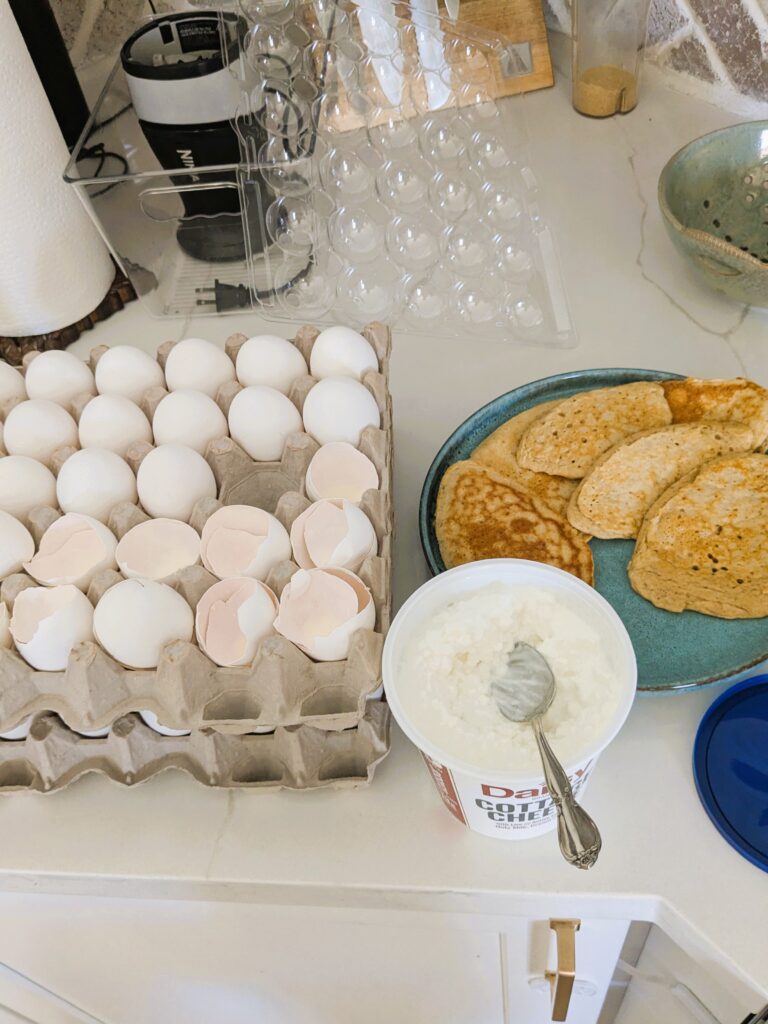
One of my favorite high protein breakfast ideas is my egg bake.
I combine:
- Eggs
- Turkey sausage
- Cottage cheese
- Broccoli
- Hash browns
It’s a complete breakfast that’s filling, delicious, and already made when I need it.
Another thing I do almost every week is prep several pounds of chicken breast.
I’ll marinate four pounds, have my husband grill it, then chop it into bite-sized pieces.
That gives us protein ready for:
- Rice bowls
- Chicken salads
- Burrito bowls with beans
- Wraps
- Quick lunches
Having high protein foods already prepared makes healthy eating so much easier.
Need easy breakfast ideas? Grab my free High-Protein Breakfast Prep Guide with five simple make-ahead breakfasts to help you eat more protein without spending all morning in the kitchen.
My Favorite High Protein Peanut Butter Recipes
Even after learning that peanut butter isn’t a major protein source, I still eat it regularly.
I just pair it with foods that actually increase the protein.
One of my favorites is:
- Plain Greek yogurt
- 1 tablespoon peanut butter
- A drizzle of honey
- Apple slices for dipping
It’s creamy, satisfying, and contains much more protein than peanut butter alone.
I’ve also been experimenting with homemade bread.
By adding vital wheat gluten to certain recipes, I’ve made bread with around 7 grams of protein per slice.
Top that with peanut butter and a sprinkle of seeds, and you’ve created a much more balanced breakfast than toast with peanut butter alone.
More High Protein Breakfast Ideas I Love
Some of my favorite high protein breakfast ideas include:
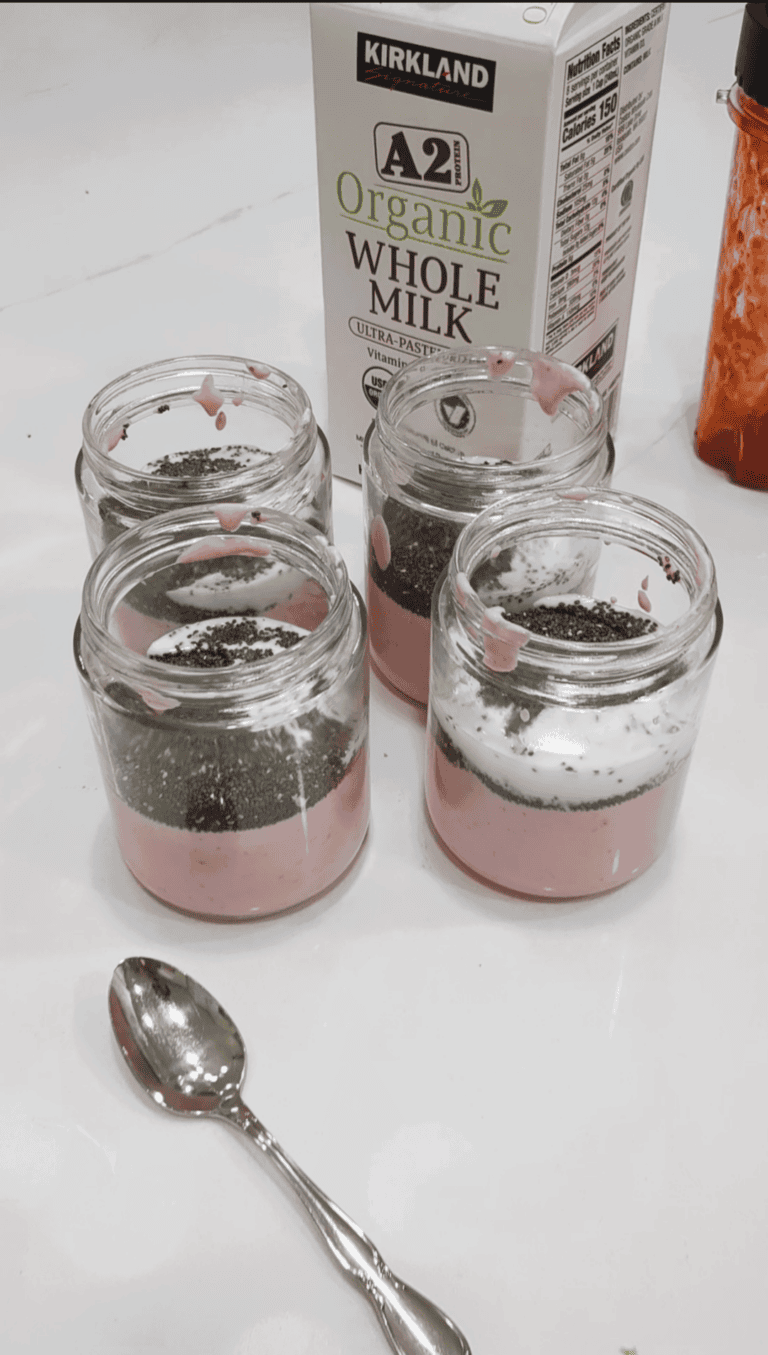
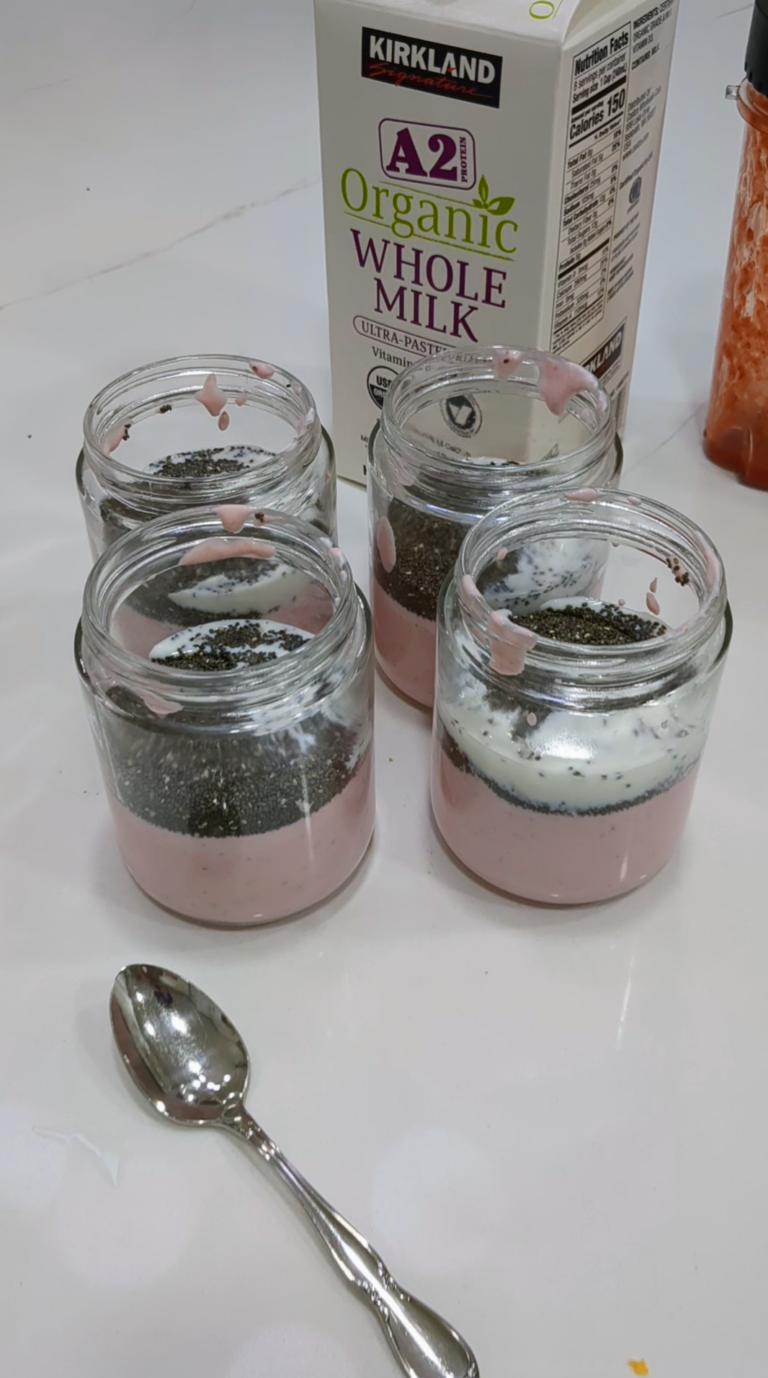
- Greek yogurt bowls with strawberries, chia seeds, hemp seeds, walnuts, and a little honey
- Smoothies made with Greek yogurt, milk, fruit, and chia seeds
- Cottage cheese scrambled into eggs
- Turkey sausage with eggs
- Overnight oats made with extra Greek yogurt
One of my favorite tricks is adding cottage cheese to scrambled eggs.
You barely notice it’s there, but it boosts the protein considerably.
Two eggs provide about 12 grams of protein.
Adding ¼ cup cottage cheese increases that to roughly 18 grams.
Pair it with turkey sausage, and breakfast can easily reach the mid-20 grams of protein.
Want more high-protein breakfasts? Download my free breakfast prep guide with five easy recipes you can make ahead for busy mornings.
The Bottom Line
So, does peanut butter have protein?
Yes—but it’s not one of the best high protein foods by itself.
Peanut butter is a nutritious food that offers healthy fats along with some protein. The key is pairing it with protein-rich foods like Greek yogurt, eggs, cottage cheese, chicken, or turkey to create meals that actually keep you full.
Toast, fruit, granola, and peanut butter can all be part of a healthy meal, but adding a true protein source makes those meals much more satisfying.
I personally aim for around 100 grams of protein each day. Once I learned which foods are naturally high in protein and started prepping them ahead of time, building balanced meals became much easier.
If you’ve been wondering why you’re hungry shortly after breakfast, it may not be because you’re eating too much or too little—it may simply be that your meal needs a stronger protein foundation.
Ready to eat more protein? Get my free High-Protein Breakfast Prep Guide and start making breakfasts that actually keep you full.